Mitsubishi engine references. Full suffix and assembly boundaries.
Build separate lines for gasoline and diesel assemblies, retaining the complete model suffix. Each reference needs its own application and included-parts check.
These entries describe model-family references for a supply check. They do not establish current stock or interchangeability. Use the complete original identification when preparing a replacement request.
For 6D16T-2A and 6D14-3A, preserve the suffix in the request and photograph the original identification.
Separate 4D33, 4D35 and 4M40T requests; a similar code is not confirmation of a replacement match.
For 4G64 and 4G63T, identify the full unit, recipient vehicle and required electrical and intake / exhaust components.
What to agree in the offer
Ask for current offered-unit photos, readable identification and an itemized accessory list. Record the available inspection evidence and any untested items. Condition, price and availability are confirmed for the actual proposed units.
For your import destination, include the receiving country and port. Check destination requirements with your own broker before committing; sourcing availability is a separate decision.
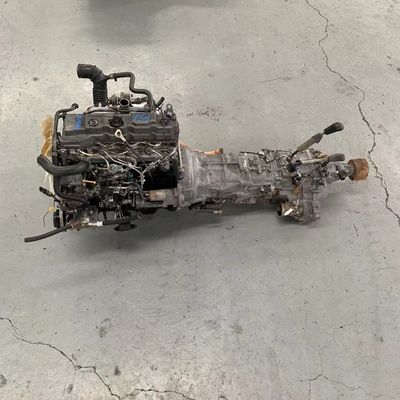
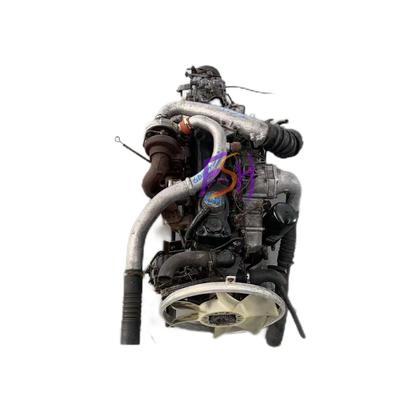
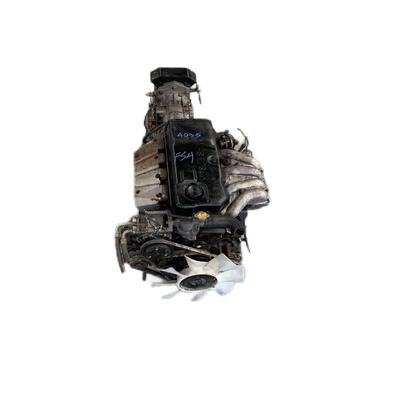
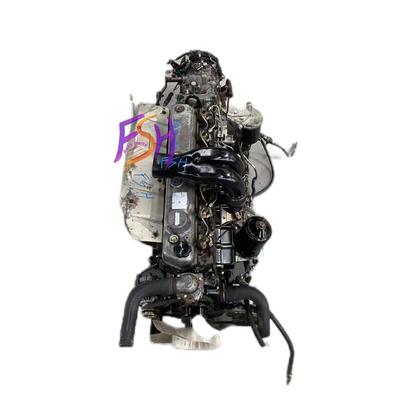
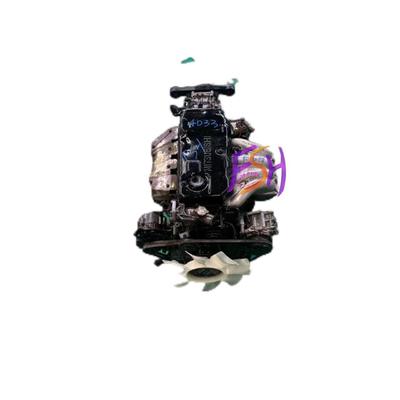
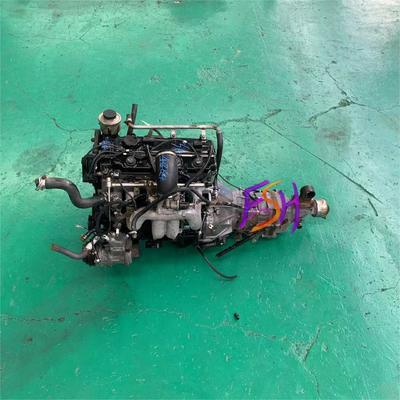
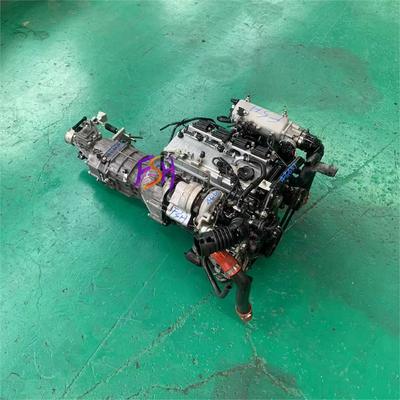
Model references help describe a sourcing request. Photos are temporary third-party placeholders, not LSVANT inventory. Current supply, unit identity, condition, included components and destination requirements must be confirmed before purchase.
Before adding this to an order.
A catalogue photo cannot prove the condition of a used engine or the components supplied with it. Ask which physical unit the quotation covers, how its identity will be recorded and which evidence is available. Keep each Mitsubishi model as a separate line when the code, scope or unit condition differs.